
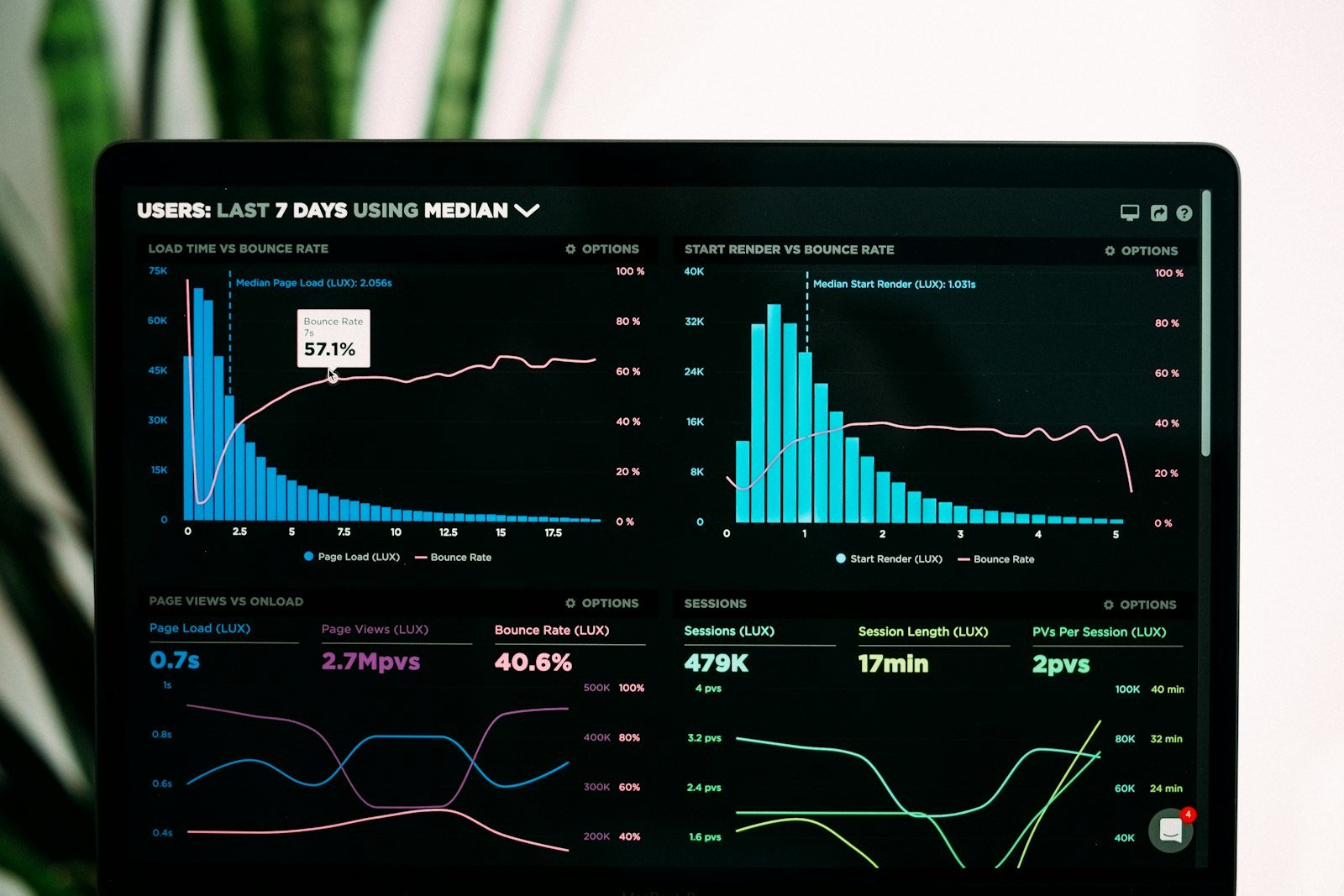
It's a pattern that repeats itself: the company increases ad spend, traffic grows, clicks show up in the report — and the phone still barely rings. When this happens, the first impulse is usually to cut the budget or switch agencies. That's rarely the right answer.
The funnel doesn't end at the click
A well-made ad does one thing: it brings the right person to your door. What happens next — response speed, clarity of the offer, ease of booking — is what decides whether that click becomes a customer or turns into a "we figured it just didn't work" statistic.
In practically every audit we run, the leak is in one (or more) of these spots:
- Response time. A lead who waits more than a few minutes is already talking to a competitor.
- Generic landing page. A specific ad sending people to the site's homepage, with no context.
- No automatic qualification. Every inquiry falls into the same queue, with no distinction between someone ready to buy and someone just browsing.
- No structured follow-up. A lead who doesn't respond right away simply disappears off the radar.
Measure the whole funnel, not just the ad
Cost per click and CTR tell part of the story. The part that matters for the bottom line is: how many of those clicks turned into a conversation, how many conversations turned into a proposal, how many proposals turned into a sale. Without that full funnel, it's impossible to know whether the problem is media or process — and optimizing the wrong thing gets expensive.
That's exactly the blind spot a marketing audit solves: looking at the funnel end-to-end before deciding where to invest the next step.